Measuring brand visibility on AI with Peec.ai
Consumers don't click links anymore. They ask AI. But does AI mention your brand?

Alvin Kantapura
AI has quietly turned into a companion that roughly 40% of consumers now use every day according to Yext Report on search behavior. The questions range from the mundane, like “is my steak well cooked?” sent with a photo attached, to life-changing conversations such as “what’s my life purpose?”, “will I find my life partner?”, and occasionally deep philosophical rabbit holes that stretch late into the night.
Through each conversation, these systems learn what we like, what we dislike, and how we think. That makes them increasingly capable of offering personalized advice, the kind we used to only get from our closest friends. This depth of understanding has created a surprising sense of affinity, to the point where some people now give their AI chatbots names. For some it’s “Therapist Laura.” For others it’s “Coach Eddy,” their running mentor.
This emerging phenomenon, where AI companions give deeply personal advice that influences important life decisions, has made brands eager to be part of that discussion. Brands now seek approval from the AI overlord, hoping their product/services are mentioned when AI gives its recommendation.
This has given rise to a new field called Generative Engine Optimization (GEO). It feels similar to the early days of SEO, when brands carefully monitored consumer “keyword” search behavior to rank at the top of Google search results. Today, instead of keywords, brands monitor how their Ideal Customer Profile (ICP) “prompt” AI systems, looking for ways to earn a mention inside those answers.
But this raises a practical question. How do you measure brand mentions inside AI recommendations?
—
Insight from Peec.ai
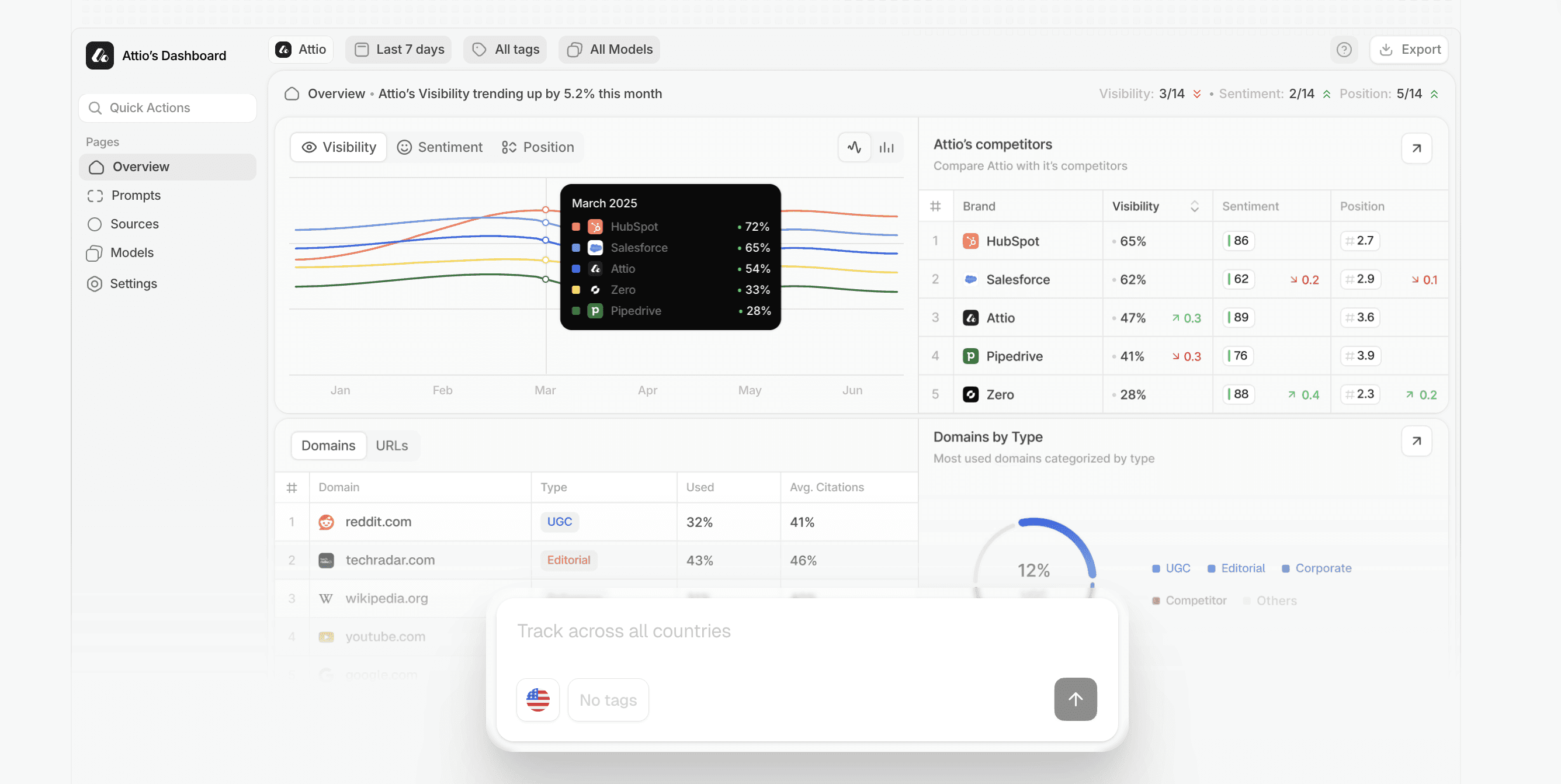
That’s where tools like Peec.ai come in. Peec makes it easier for brands to track their mentions across a set of prompts they care about. Marketers can see whether their brand appears, how they rank compared to competitors, and whether the AI’s commentary is positive or negative.
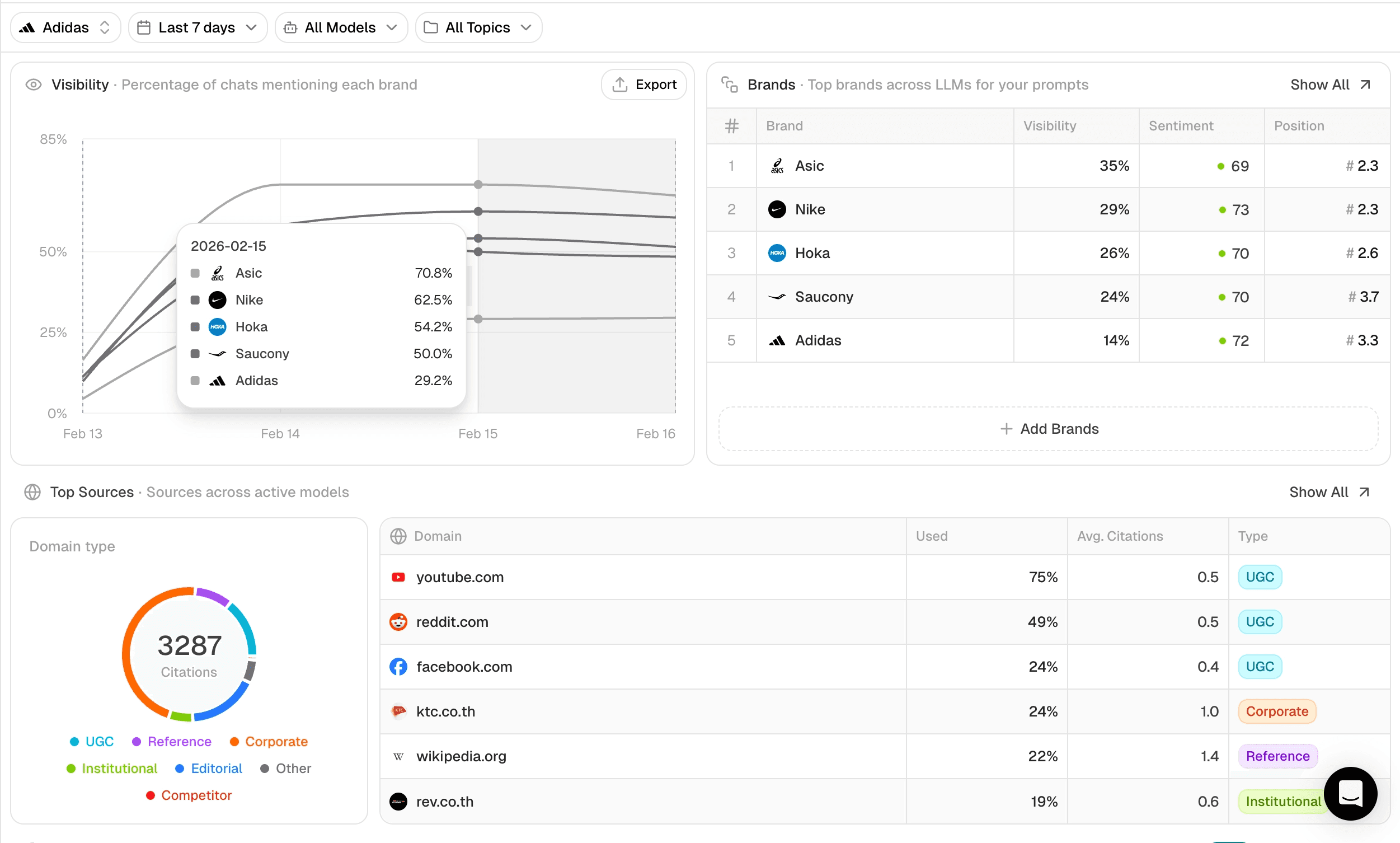
Figure 1: Peec Homepage Dashboard
Armed with these insights, marketers can see where their brand stands in the AI recommendation landscape. From there, they can create content on the platforms AI systems actually reference when generating answers. Showing up in the right sources may be the difference between being recommended or being invisible.
So I decided to try out the tool by acting as a brand manager for Adidas running shoes division. I created a dashboard to track running shoe brand mentions among runners asking AI for shoe recommendations for their first marathon. According to this dashboard, if I am Adidas, there’s clearly a lot of work for me to do in order to beat competitors like Asics when it comes to getting mentioned by AI.
From just one snapshot, I learned that YouTube and Reddit are two highly influential sources that AI models research and cite before making recommendations.
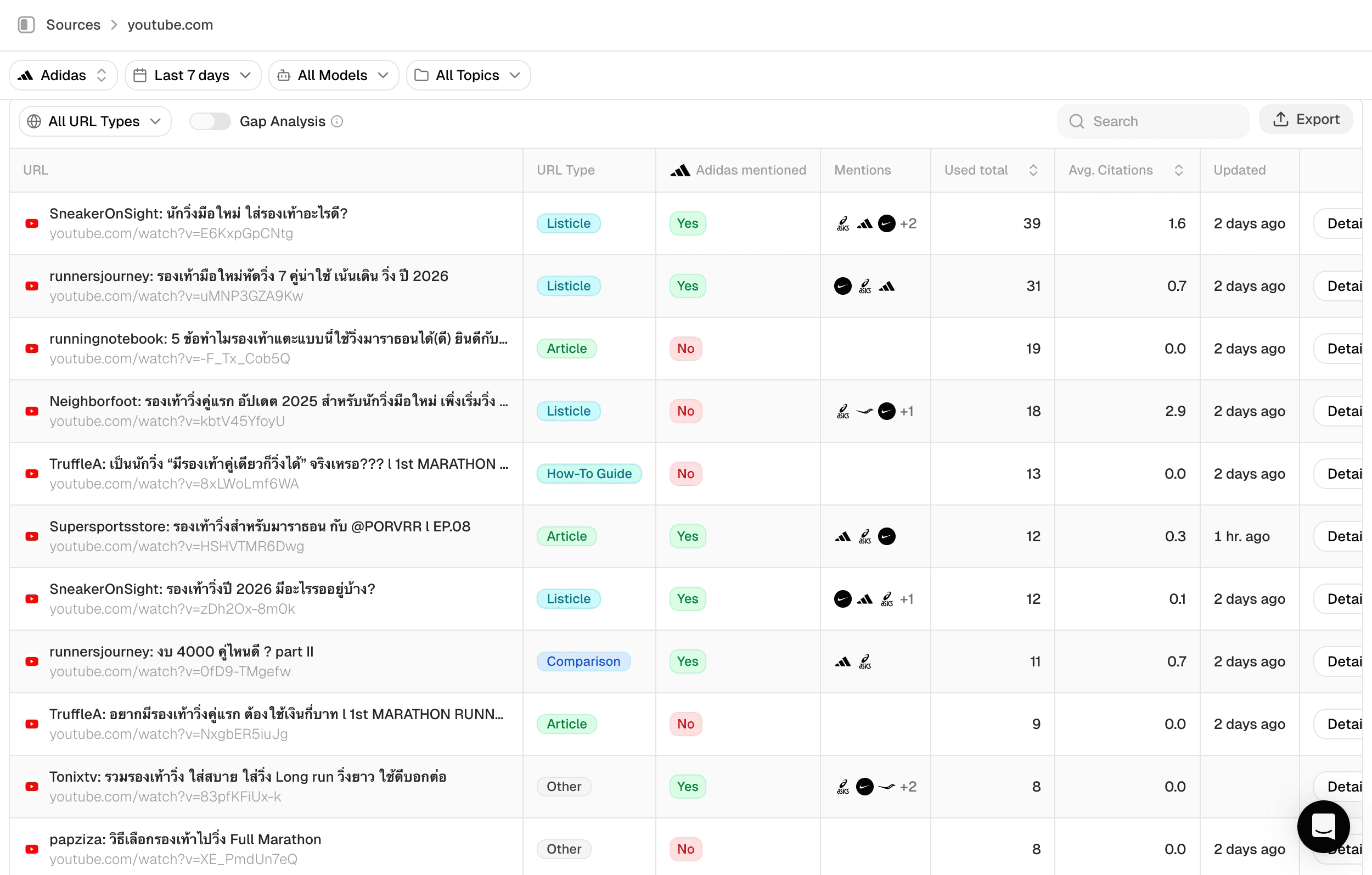
Figure 2: Peec Sources Page Deep Dive On YouTube
From there, I can dig deeper into the sources themselves to understand which specific YouTube videos were used in generating the recommendation. As a marketer, this removes guesswork and replaces it with targeted information I can act on immediately. The next logical step might be sponsoring specific Key Opinion Leaders (KOLs) whose content AI frequently cites, increasing the likelihood that my brand appears in those recommendations.
You can also drill down into the actual AI responses for each prompt you track, allowing you to see exactly how your brand is being positioned.
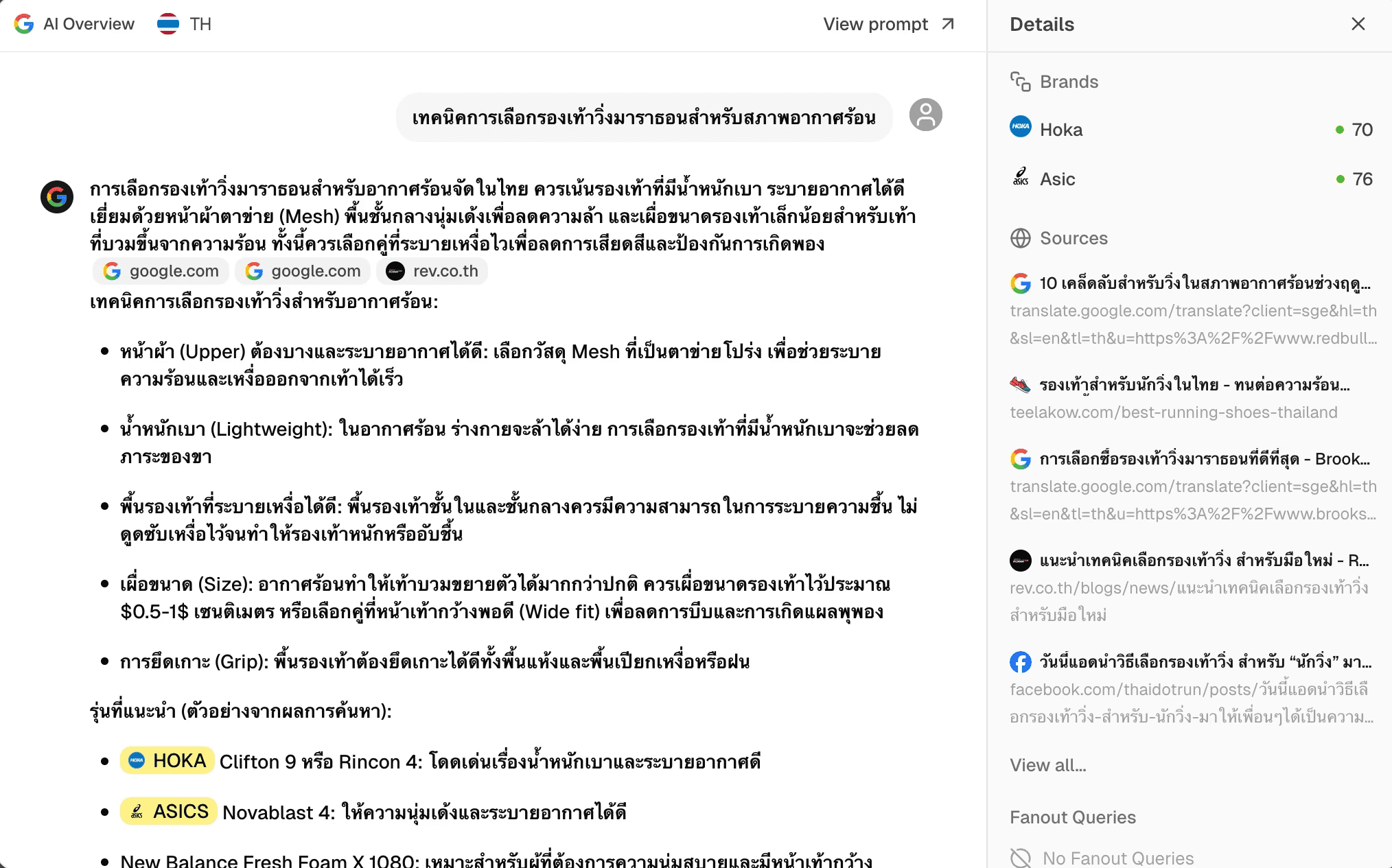
Figure 3: Peec Prompt Level Analysis
You can’t fix what you can’t see. Peec.ai provides the visibility needed to understand your brand’s presence in AI search.
—
Here’s how you set up Peec.ai tracking
Step 1: Start by setting up your project. Add your brand domain, choose the region and language you want to track, and select the AI models you care about.
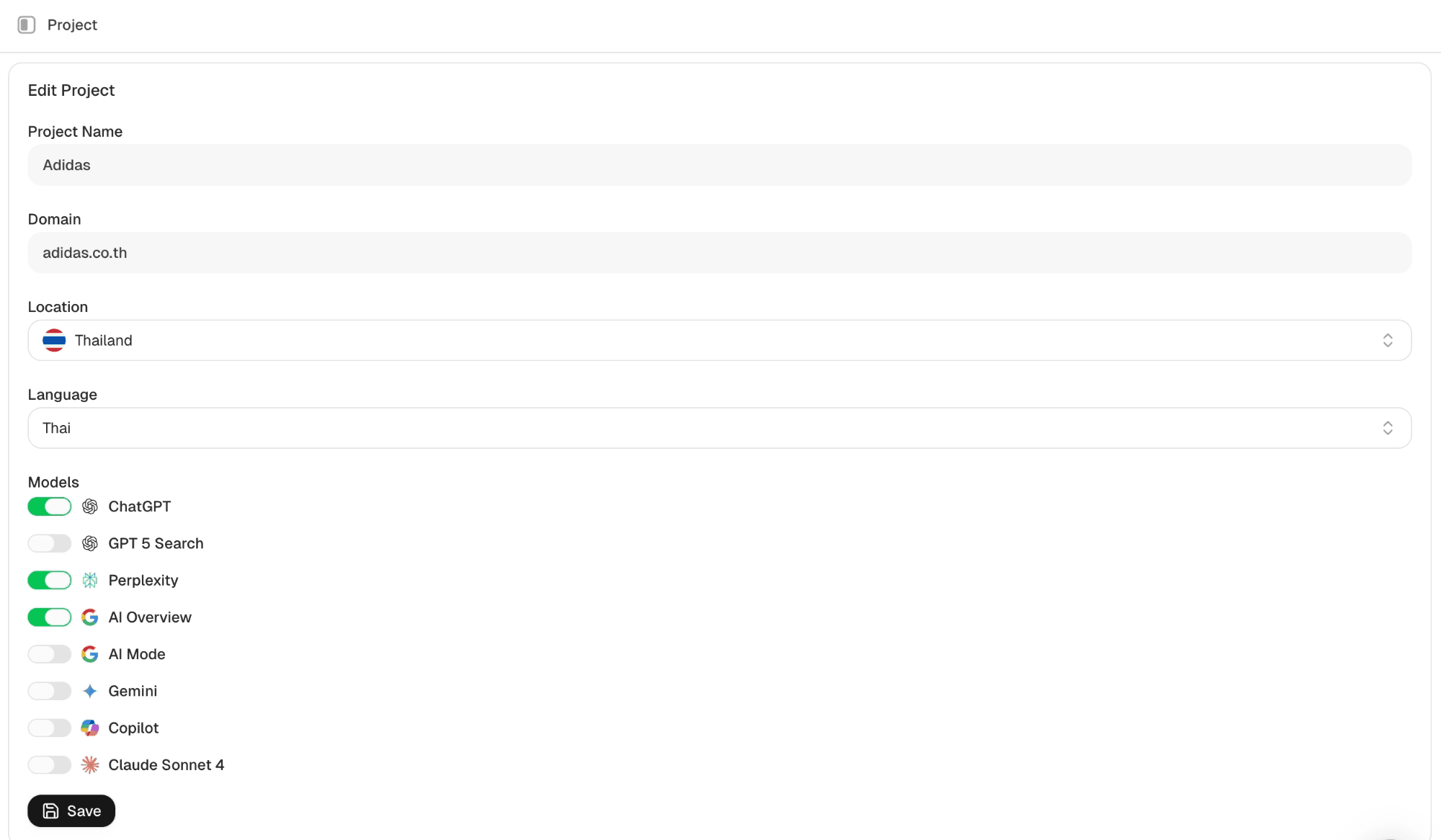
Figure 4: Setting Up The Project On Peec
Step 2: Define the prompts you want to monitor. For running shoes, there are multiple possible use cases, such as first-time runners, sub-6 pace race shoes, or beginner marathon runners. You must first define the specific use case you want to track, then create up to 50 prompts around it.
In this example, I decided to track marathon shoe recommendations and added 21 Thai prompts to measure how brands rank across them. This is the guideline by Peec.ai on how to craft good tracking prompt.
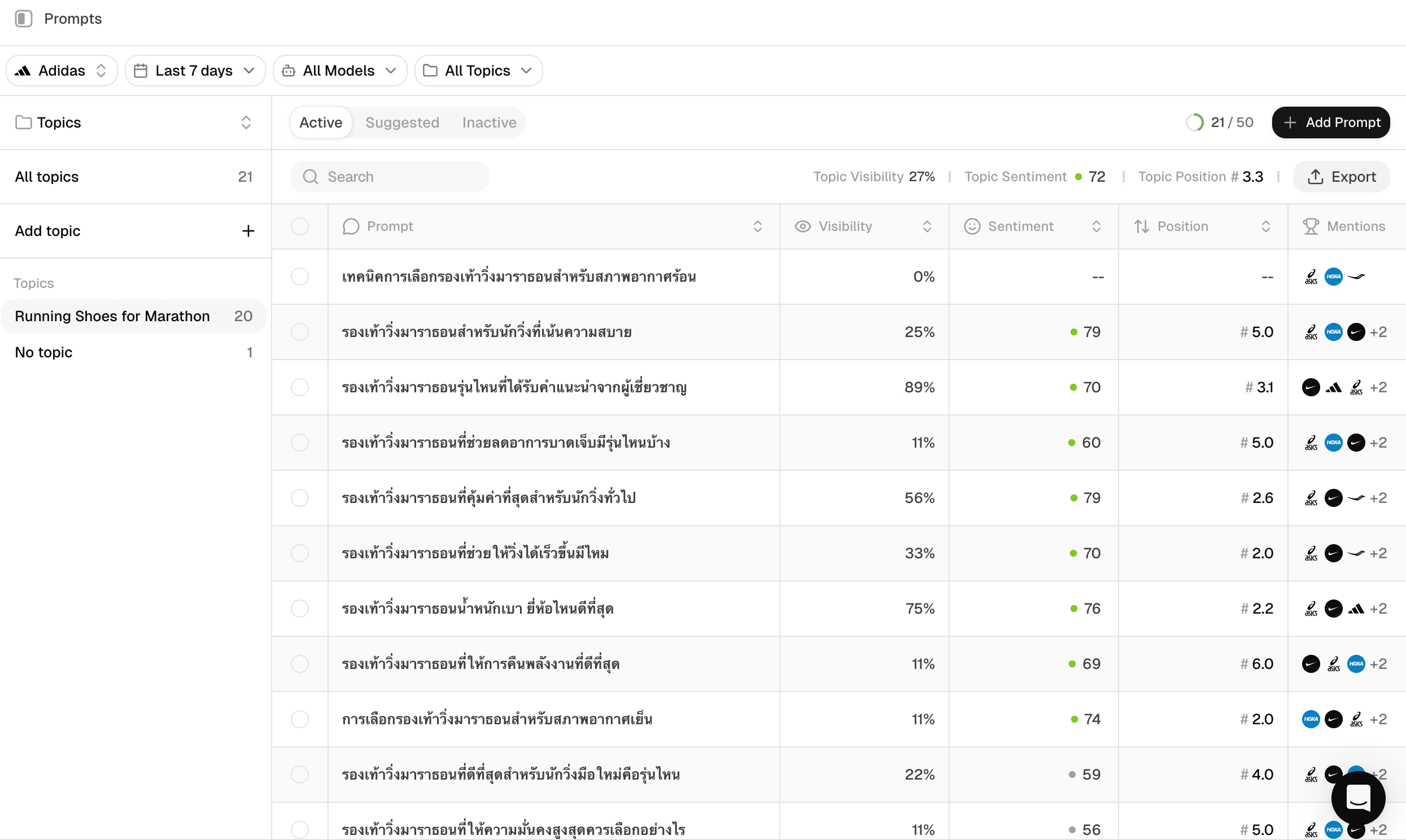
Figure 4: Setting Up Prompt Tracking On Peec
Step 3: Review the insights on the dashboard, which updates regularly to show your brand’s relative position across all tracked prompts.
Figure 5: Review Insights On Peec Homepage Dashboard
—
Is the tool worth the investment?
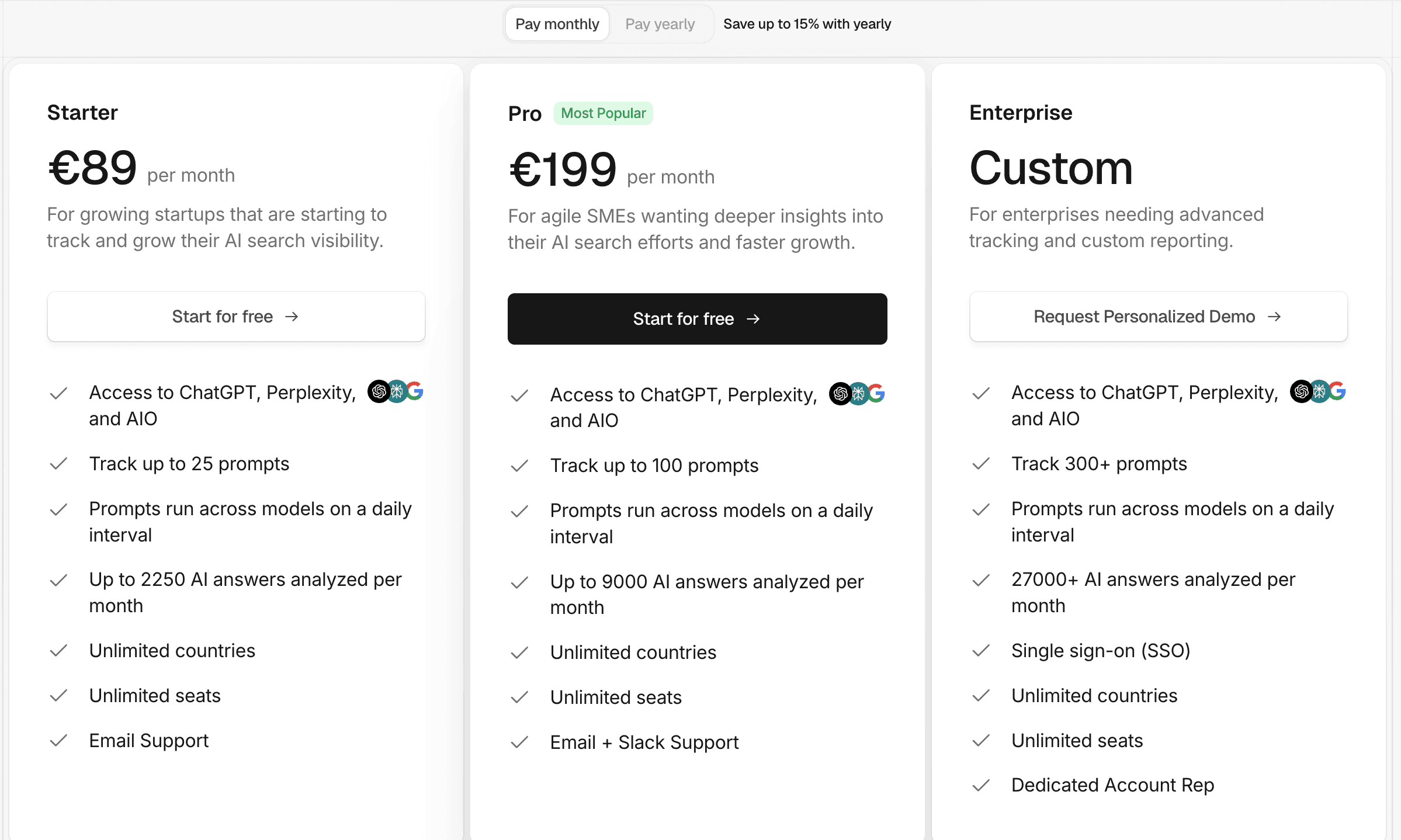
Figure 6: Peec Subscription Pricing
Peec.ai is priced based on usage rather than seats. The more prompts you track, the higher the cost. It’s definitely worth it if your product or service is something consumers regularly ask AI about. But as a marketer, how would you know if that’s the case?
Typically, products and services that people turn to AI for fall into two categories.
First, complicated purchases such as cars, computers, or home loans. When consumers face high-value and complex decisions, they rely on AI for comparison breakdowns and recommendations.
Second, high-risk decisions such as medical procedures or weight loss supplements, where consumers want to fact-check and get a second opinion before committing.
Even if your product does not clearly fit into those categories, consumers may still use AI search to find the best deal at the point of purchase. There can still be value in understanding your presence in those moments.
There is one caveat. Products driven primarily by emotional appeal, such as luxury handbags or fashion accessories, often perform better on social platforms than in AI recommendation engines.
If your brand fits into a category where consumers naturally turn to AI for guidance, Peec is likely worth the investment. It gives marketers the visibility to start optimizing their brand’s relative position within AI recommendations.
AI search has become a major focus for companies across industries. That’s why we decided to partner with NerdOptimize, one of the leading GEO agencies in Thailand, to bring this workshop to our audience.
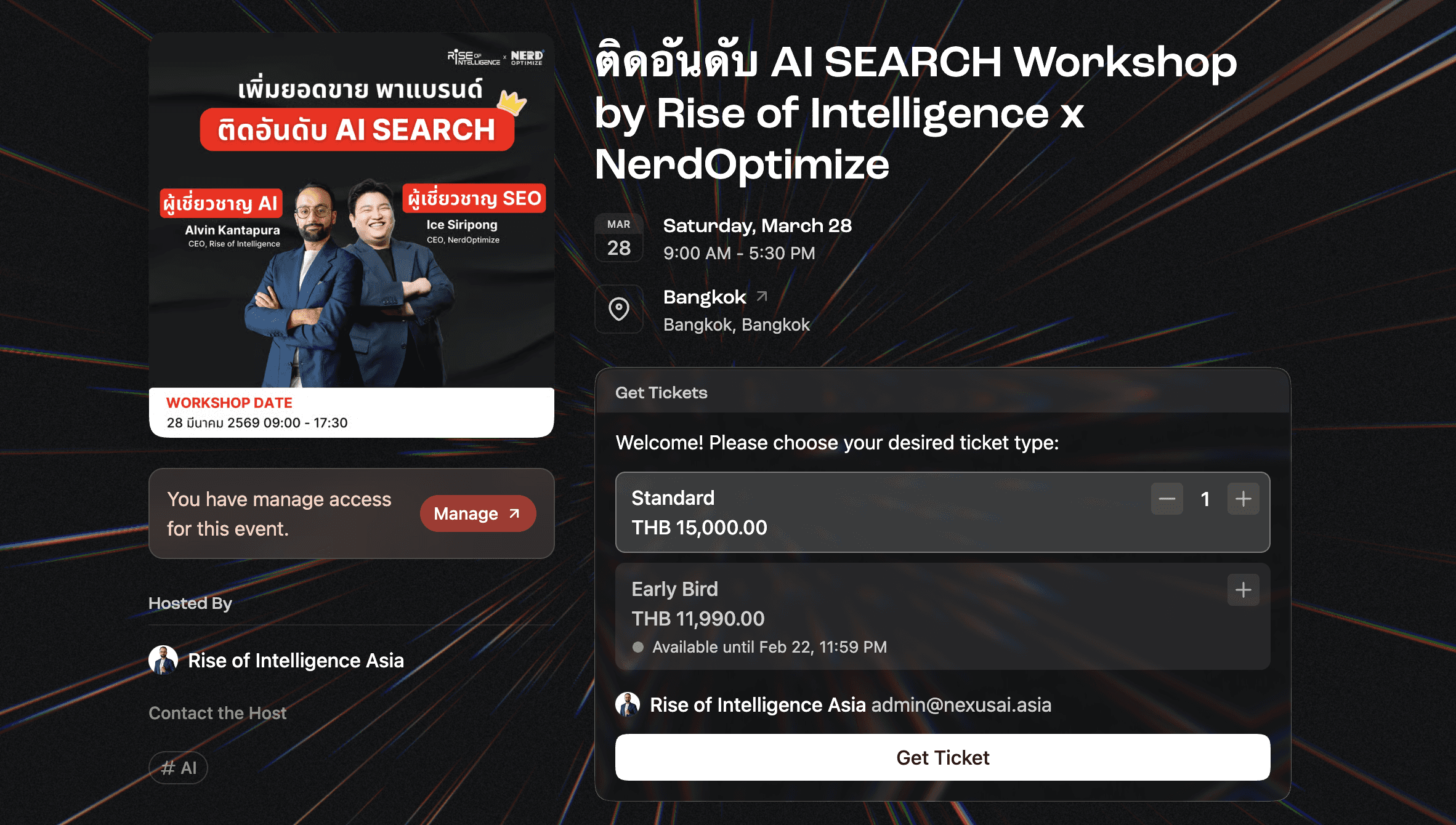
Figure 7: Ticket Page For AI Search Workshop By Rise of Intelligence x NerdOptimize
If you want to shorten your learning curve and understand how to position your brand at the top of AI recommendations, this one-day workshop will cover the content strategies you need, the website optimizations that matter, and the tracking mechanisms required to measure your progress.
Learn more and sign up here: https://bit.ly/ai-search-workshop
—
The shift is already happening quietly in the background. Consumers are no longer clicking ten blue links on Google and doing their own comparison. They are asking one system they trust and taking its recommendations seriously.
That changes the battlefield.
In the SEO era, visibility meant ranking on page one. In the AI era, visibility means being mentioned inside the answer itself. If your brand is not part of that recommendation, you simply do not exist in that moment of decision.
The brands that understand this early will treat AI like a new distribution channel. They will monitor it, optimize for it, and actively influence the sources it learns from. The brands that ignore it will slowly lose relevance without even realizing why.
AI is no longer just a tool people use. It is becoming the layer through which people make decisions.
About

Featured Posts



Related Post
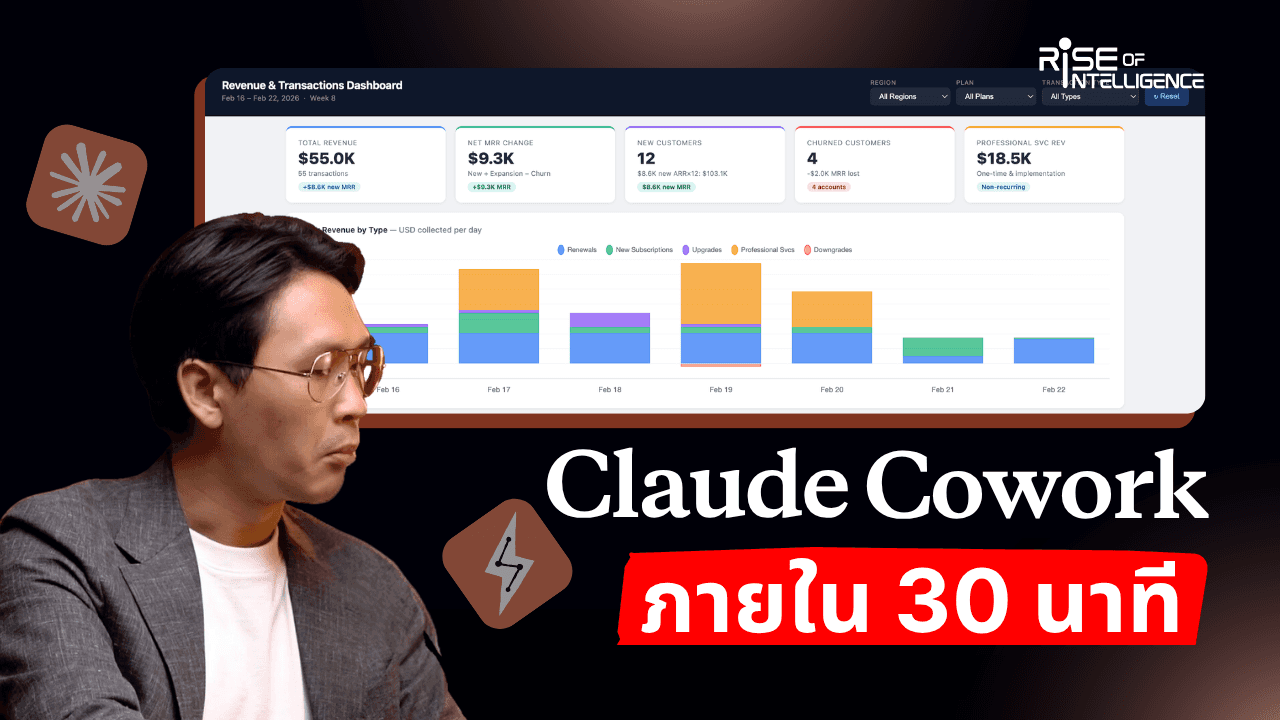
AI agents used to need engineers. Now anyone can build one just by talking to Claude Cowork.